Choosing the Best Baby Cereal. A Complete Guide
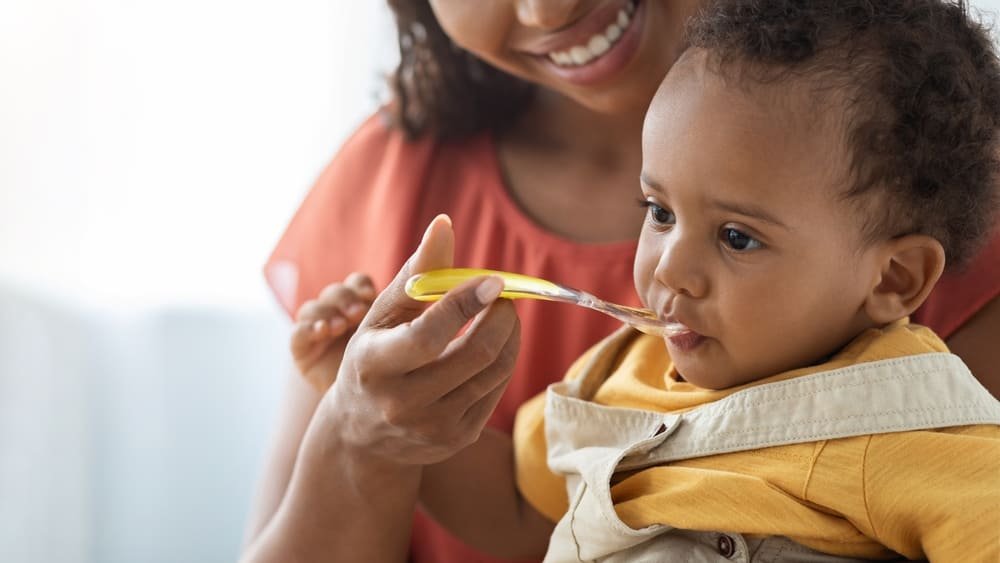
Getting the best baby cereal is a significant milestone in your baby’s early development. Baby cereal is one of the most common first foods for infants because it offers a gentle introduction to new textures and provides key nutrients. But with so many options available, how can you make sure you’re picking the best baby cereal for your little one? This comprehensive guide will help you navigate everything you need to know to make the right choice. For more tips on starting solids, you might also check out this insightful article on how to introduce your baby’s first food.
Why Baby Cereal?
Parents often ask why baby cereal is a popular choice for a baby’s first solid food. The answer lies in its ease of digestion and its nutritional value. Most baby cereals are fortified with iron, an essential nutrient for developing brains and bodies. Iron is vital because, after about 6 months, babies begin to deplete their natural stores of iron. Offering an iron-fortified baby cereal helps to fill this gap, supporting their cognitive and physical development.
Moreover, baby cereal allows for flexibility, as it can be mixed with familiar liquids like breast milk, formula, or water. This can make the transition to solid foods smoother and less intimidating for your baby. For many parents, the best baby cereal is one that provides both nutritional benefits and adaptability to their baby’s needs.
When Is the Right Time to Start Baby Cereal?
Choosing the best baby cereal is not just about selecting a brand or type—it’s also about timing. According to pediatric experts, most babies are ready to begin solids, including baby cereal, between 4 and 6 months of age. This window is essential because it’s when babies are typically developmentally ready for solid foods. Key signs that your baby is ready to start solids include:
- Good head and neck control
- Sitting up with little to no support
- An increased appetite (they may seem unsatisfied after milk feeds alone)
- Loss of the tongue-thrust reflex (this reflex causes babies to push food out of their mouths, and its absence indicates readiness for solids)
If your baby shows these signs, it may be the right time to introduce solid foods, including the best baby cereal. The American Academy of Pediatrics suggests starting with iron-fortified cereals due to the nutritional boost they offer. For a detailed timeline on introducing solids, you can explore this post on Feeding your baby: when to introduce solid foods.
Types of Baby Cereal: What Are Your Options?
When it comes to choosing the best baby cereal, parents are met with a variety of options, each offering unique nutritional benefits. Understanding these differences can help you make an informed decision that aligns with your baby’s dietary needs.
1. Rice Cereal: A Classic Choice
Rice cereal has long been considered a popular option for introducing solids to infants. It’s easy to digest, hypoallergenic, and has a mild flavor, making it a suitable option for babies who are trying solid foods for the first time. However, concerns about arsenic levels in rice have prompted some parents to explore alternatives. While rice cereal remains a popular option, many experts suggest rotating it with other cereals to offer a broader range of nutrients.
2. Oat Cereal: Gentle and Nutritious
Oat cereal is often hailed as the best baby cereal for those seeking a nutrient-rich option that’s still gentle on the digestive system. Oats are high in fiber, which promotes healthy digestion, and they contain more vitamins and minerals compared to rice. Oat cereal can also be a better choice for babies who have experienced constipation, as it helps promote regular bowel movements.
3. Barley Cereal: Fiber-Rich and Versatile
Barley cereal is another excellent choice when considering the best baby cereal. Barley is packed with fiber and is a good source of selenium, which supports your baby’s immune system. It also has a slightly nutty flavor that can help introduce your baby to new tastes, expanding their palate early on.
4. Multigrain Cereal: A Balanced Option
Multigrain cereals combine different grains like rice, oats, and barley. They can be considered the best baby cereal for parents who want to offer a broader range of nutrients in one meal. Multigrain cereals are ideal as your baby grows and becomes more comfortable with a variety of flavors and textures.
5. Quinoa Cereal: A Protein-Packed Alternative
For parents seeking nutrient-dense options, quinoa-based cereals may be the best baby cereal. Quinoa is rich in protein and contains all nine essential amino acids, which makes it a great option for babies who need a more balanced source of nutrition. Additionally, quinoa is gluten-free, making it an excellent option for babies with sensitivities.
What Nutritional Value Should You Look For in Baby Cereal?
When selecting the best baby cereal, it’s essential to focus on the nutritional content. Your baby’s first foods should provide the nutrients necessary for their growth and development, especially since they are transitioning from milk to solids.
1. Iron-Fortified Cereal: Essential for Growth
Iron is one of the most crucial nutrients to look for in the best baby cereal. It supports cognitive and physical development in infants. Since breastfed babies typically start to deplete their iron stores around 6 months of age, choosing an iron-fortified cereal can help fill that nutritional gap.
2. Vitamins and Minerals: Support Overall Health
The best baby cereal should also be fortified with essential vitamins and minerals like calcium, vitamin D, and B vitamins. These nutrients are key players in your baby’s overall health and development, contributing to strong bones, proper nerve function, and general well-being.
3. Organic vs. Conventional: Is There a Difference?
When choosing between organic and conventional cereals, the best baby cereal is the one that aligns with your family’s values and dietary preferences. Organic cereals avoid synthetic pesticides and GMOs, which may appeal to parents who prioritize an eco-conscious approach. Conventional cereals, however, meet strict safety standards and may offer more affordable and accessible options.
4. No Added Sugars or Salt
The best baby cereal will be free from unnecessary additives like sugars or salt. These ingredients can negatively impact your baby’s developing taste buds and may contribute to unhealthy eating habits later in life. Always opt for cereals with clean, simple ingredients to ensure you’re giving your baby the healthiest start.
Allergen Considerations: Start Slow
When introducing any new food, including the best baby cereal, it’s important to be cautious about potential allergens. Start with single-grain cereals and observe your baby for any reactions. Common allergens include wheat (gluten), dairy, and soy, so introducing these slowly and one at a time can help you identify any sensitivities.
Introducing the best baby cereal gradually also allows you to monitor for signs of intolerance, such as rash, swelling, or digestive discomfort. If you have a family history of food allergies, consult your pediatrician before introducing allergenic foods.
How to Prepare and Serve Baby Cereal
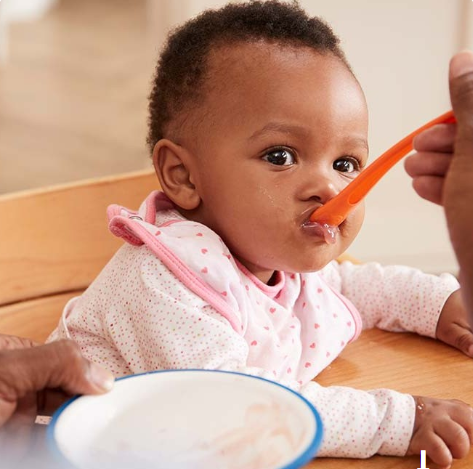
Even after choosing the best baby cereal, proper preparation and serving are crucial to ensuring a positive feeding experience. Here’s how to make sure your baby enjoys their first meals:
1. Mix with Breast Milk, Formula, or Water
To prepare the best baby cereal, start by mixing 1 tablespoon of cereal with 4-5 tablespoons of breast milk, formula, or water. Stir until smooth to create a consistency that’s easy for your baby to swallow. As your baby grows more accustomed to solid foods, you can gradually thicken the texture by reducing the amount of liquid.
2. Adjust the Texture
One of the key advantages of the best baby cereal is its versatility in texture. For younger babies, a thinner consistency is ideal, but as they get used to solids, you can make the cereal thicker. This helps your baby adapt to different textures, which is a vital part of their development.
3. Don’t Microwave
When warming the best baby cereal, avoid microwaving, as it can create hot spots that could burn your baby’s mouth. Instead, warm the liquid separately and mix it with the cereal to ensure it is served at a safe and comfortable temperature.
Avoid Common Mistakes When Choosing and Feeding Baby Cereal
Even when you’ve chosen the best baby cereal, it’s essential to avoid some common mistakes to ensure a smooth transition to solid foods:
- Starting Too Early: Introducing the best baby cereal too early can cause digestive issues and increase the risk of choking. Ensure that your baby shows readiness signs before starting solids.
- Skipping Iron-Fortified Cereal: Iron is a crucial nutrient at this stage, so skipping fortified cereals could leave your baby short on this essential mineral.
- Overfeeding: Even if you’ve chosen the best baby cereal, it’s important not to overfeed. Start small and follow your baby’s hunger cues to avoid overloading their digestive system.
Conclusion: Making the Right Choice for Your Baby
Selecting the best baby cereal is an important decision that requires careful consideration of your baby’s developmental stage and nutritional needs. By understanding the different types of baby cereals, their nutritional values, and how to introduce them safely, you can confidently choose the best option to support your baby’s growth and development.
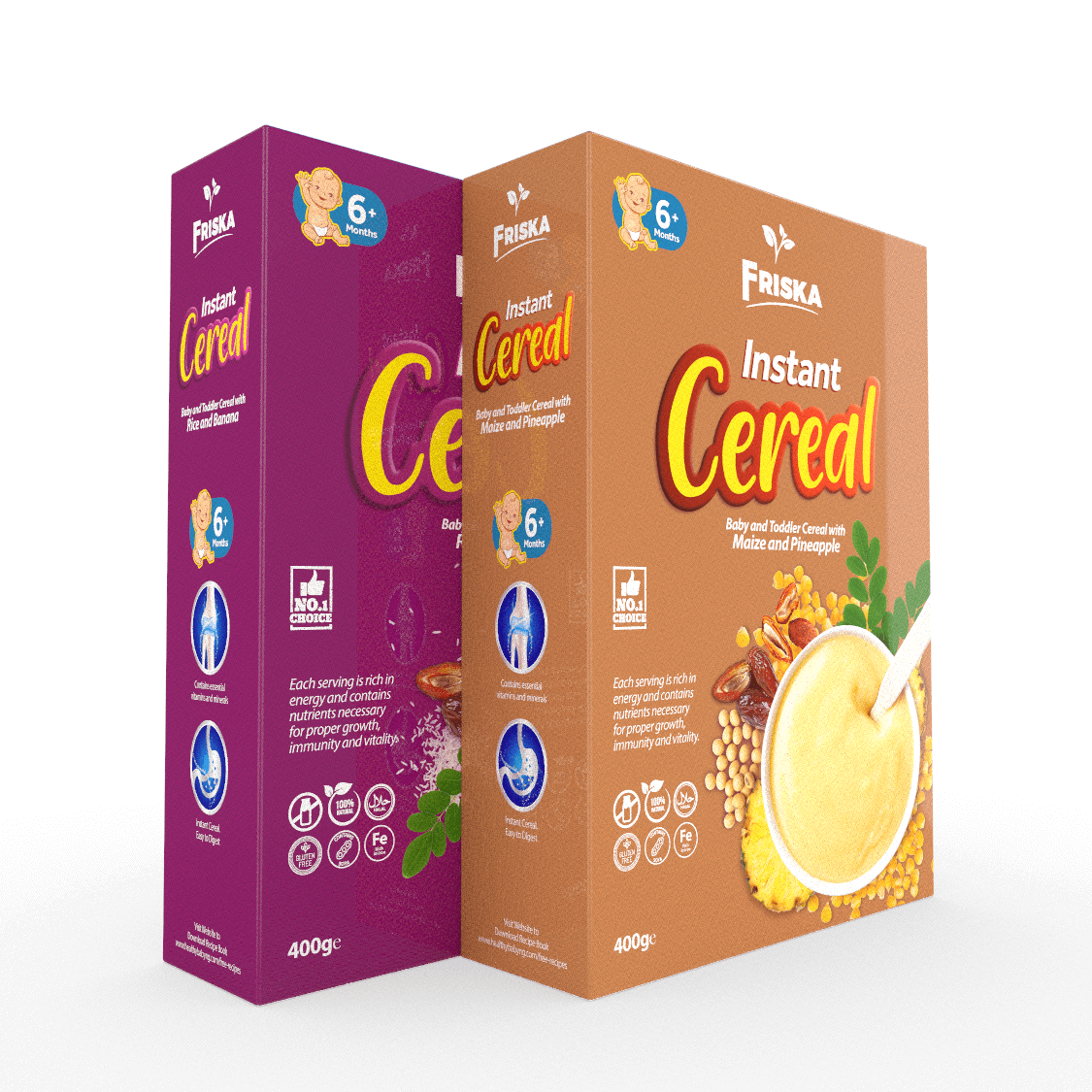
After reviewing various options, one highly recommended choice is Friska Baby Cereal. Friska offers a well-balanced mix of essential nutrients, including iron, vitamins, and minerals, to support your baby’s early growth. It’s made with organic ingredients, contains no added sugars or salt, and is gentle on your baby’s digestive system. With its smooth texture and versatility, Friska Baby Cereal can be easily mixed with breast milk, formula, or water, making it a great option for your baby’s first solid food. Consider trying Friska baby cereal to give your baby a nutritious and wholesome start!